
How Arrest Warrants Work in Cherokee County
An arrest warrant is a judge's order telling an officer to take someone into custody on a stated criminal charge. South Carolina law puts the process in motion through law enforcement. An officer seeks the warrant and presents sworn probable-cause material to an authorized judicial officer, and that judge decides whether the facts support the order. In Cherokee County, a magistrate, a municipal judge, or a court of record may act within its own authority. Which venue applies depends on the charge and the stage of the case. A felony can begin in summary court and later move to General Sessions, where the Clerk receives the case documents.
Officer-Sought Probable Cause in Cherokee County
State law is clear about who applies. Under S.C. Code §22-5-110, a law-enforcement officer must seek an arrest warrant; a private complainant may supply information, but the statute describes a courtesy-summons rule rather than a private application. The sworn account and supporting facts then go to a judge or magistrate for review. South Carolina §17-13-160 requires prescribed warrant forms, and a charge may proceed through a preliminary hearing or another court step. This issuance path differs from a bench warrant, which enforces a missed appearance or court condition later on. You can read §22-5-110 and the state's arrest and search warrant chapter for the statutory framework that Cherokee County courts use.
Arrest Warrants: What They Contain
A Cherokee County arrest-warrant file can include the issuing court, a case or warrant identifier, the officer, the sworn affidavit, the offense, the bond choice, and the return. The county's public sites show no standard warrant-number pattern. A sealed file or an active-investigation file may not appear in the Public Index or in a records response.
| Case or warrant number | Court-assigned identifier; Cherokee County lists no common format. |
|---|---|
| Affidavit | Sworn facts and probable-cause narrative, subject to public-access limits. |
| Charge | Offense description and statutory section, if public. |
| Issuing judge and court | The judicial officer and court that direct the arrest process. |
| Bond instruction | PR, surety, cash, percentage cash, or another court order. |
| Return | Serving officer's report and any later recall or disposition. |
Cherokee County Felony Case Transmittal
A felony not tried in summary court can go first to a magistrate for a preliminary-hearing notice. If probable cause is found, the matter binds over to General Sessions. Criminal Practice Rule 3 directs specified warrant and charging papers to the Clerk of General Sessions after arrest or issuance, so the Clerk's docket becomes the later case trail. The Clerk keeps that higher-court file. Review the official court page for the Clerk, General Sessions, and related record routes.
The Clerk keeps the higher-court file, but the issuing judge and service agency still control warrant status in Cherokee County.
How Warrants Get Served in Cherokee County
The Cherokee County Sheriff is the local service contact. Gaffney and Blacksburg police handle matters in their own jurisdictions, and Rule 30 assigns continuing service responsibility to the Sheriff and other appropriate agencies for bench warrants. The Sheriff posts no public warrant-division number or roster of serving officers. After an arrest, booking and bond follow the applicable court order. The Cherokee Detention Center holds county and local inmates, though the county page lists no general surrender or bond-window hours. Check the county detention-center page and call before travelling.

That facility contact helps after an arrest. It does not say where a voluntary surrender in Cherokee County should begin.
Cherokee County Warrant Service Roles
Service roles split by venue. City police may execute city-court orders, the Cherokee County Sheriff handles county service questions, and the issuing court controls recall or bond. A person wanted across state lines faces South Carolina extradition procedures and the serving agency. Do not assume a local jail can clear a federal warrant or one from another county. Federal matters run on a different system. The District of South Carolina's Spartanburg Division serves Cherokee County, and the U.S. Marshals handle federal arrest and fugitive process. The public federal docket can offer case clues, but sealed warrants may not appear, and no public self-search roster confirms live status. Read the federal court's division information.
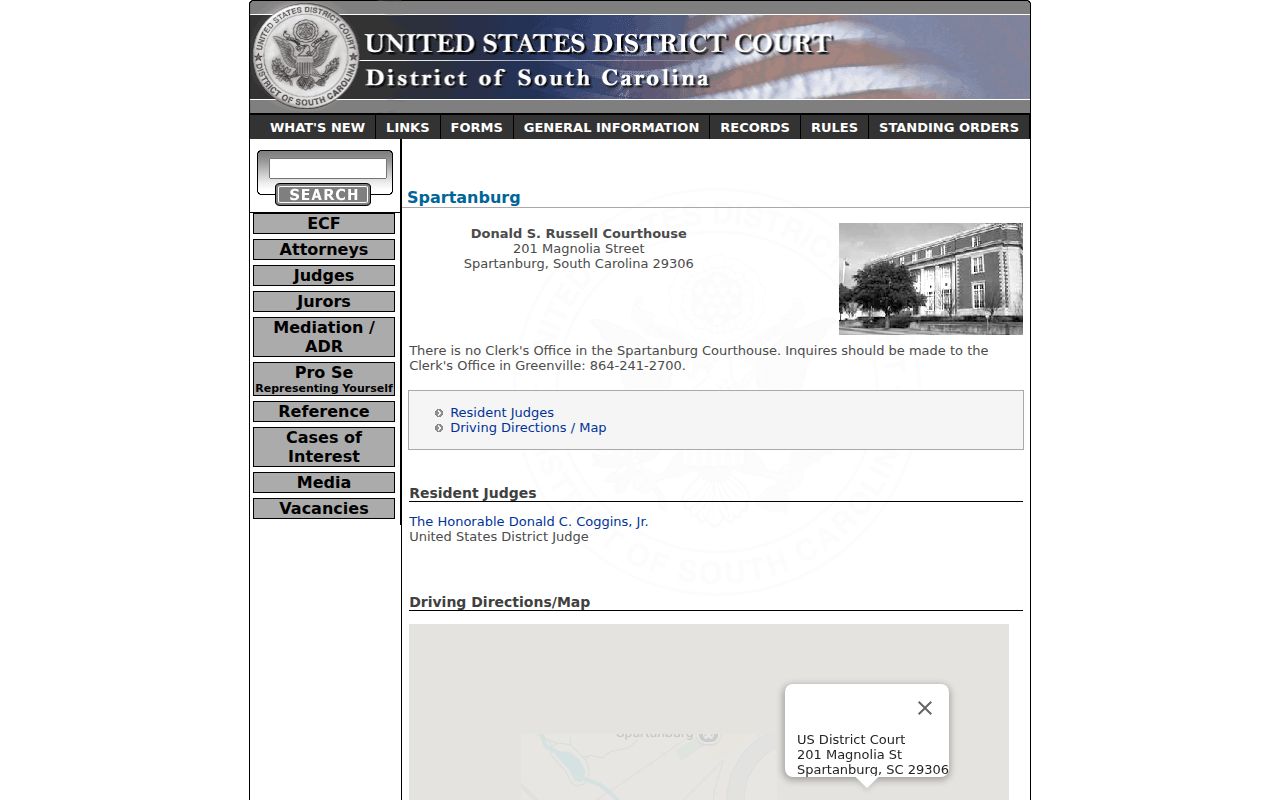
A federal case belongs with the federal clerk or your counsel, not a Cherokee County warrant search.
Arrest Warrants, Summonses, and Bench Warrants
The same case can carry more than one document. An arrest warrant authorizes custody on probable cause. A summons directs a person to appear, and a bench warrant follows a missed court duty. Cherokee County readers should read the issuing court and command before deciding which office to contact.
| Feature | Arrest Warrant | Summons | Bench Warrant |
|---|---|---|---|
| What it orders | Arrest on stated allegation | Appear at a stated date or place | Custody after missed obligation |
| Basis | Probable-cause facts | Charging or court procedure | Failure to appear or comply |
| Issuer | Authorized judge or magistrate | Court process under applicable rule | Judge or clerk at judge's direction |
| Response | Confirm with court and counsel | Attend as directed | Ask court about date, bond, or recall |
Cherokee County Magistrates and Arrest Orders
Cherokee County has Cherokee Magistrate and Bond Court, Blacksburg Magistrate, and municipal judges in Gaffney and Blacksburg. The official directory shows where these summary courts sit and how to reach them. Open the South Carolina Magistrate Court directory.
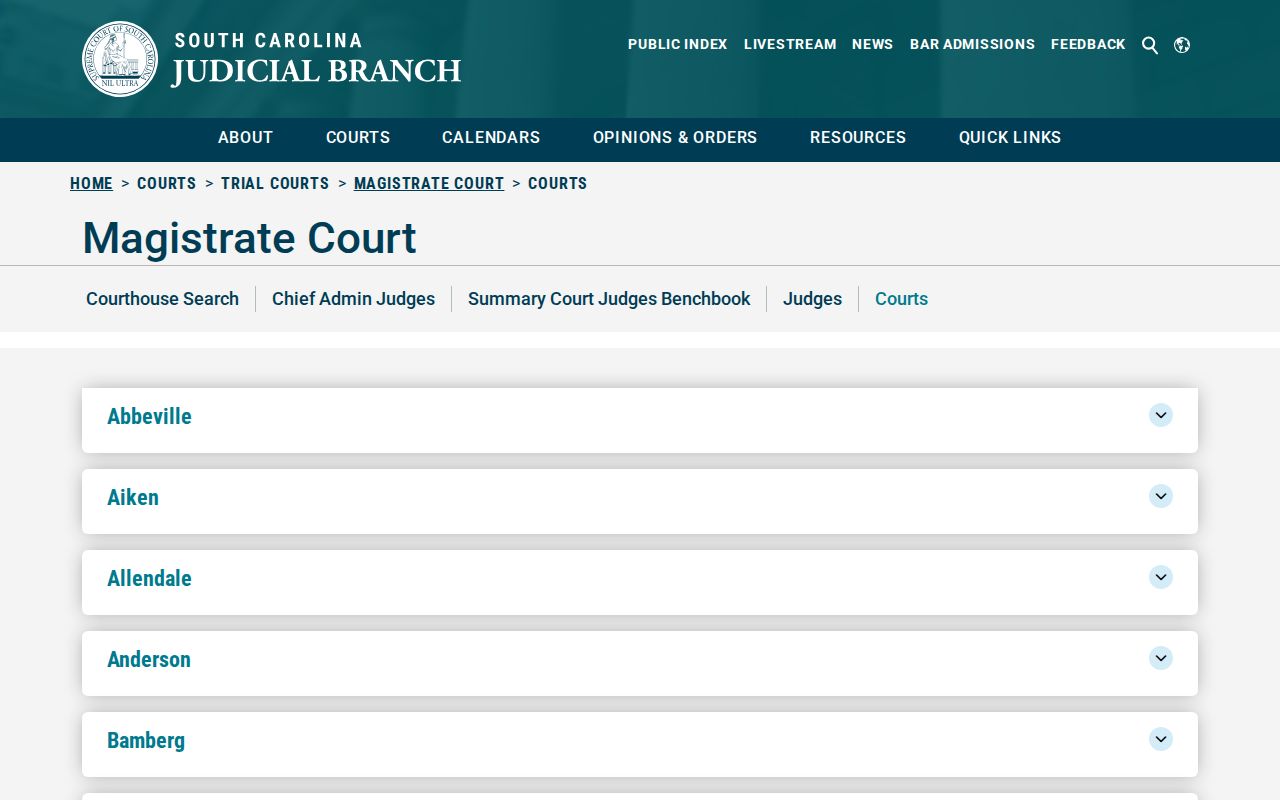
The directory helps identify a venue. It does not say whether a specific Cherokee County warrant is active or served.
What an Arrest Warrant Return Means
A return is the officer's report on what happened with a warrant. It might note service, an attempt, or an arrest. What follows can vary widely. Booking can come next, or a bond proceeding, a preliminary-hearing notice, or a later court date. Cherokee County's Public Index lists docket events, though it is not the Sheriff's live service system. For the full picture, ask the Clerk for the case entry and the Sheriff for confirmation that the warrant was served. If the court recalls the order, hold onto the signed paperwork and check that both the court record and the service record show the change.
Handling an Arrest Warrant in Your Name
A warrant in your own name calls for care before you walk in. Call the issuing court first, or talk to a lawyer. Ask whether counsel can arrange a walk-through, whether booking is required, which bond form applies, and whether a motion can address the order. Cherokee County publishes no general surrender window, so do not read a location or release time into a detention-center page. If an arrest has already happened, keep the case number, bond paperwork, and next court date handy. Find out whether the bond secures release or only settles custody while the underlying case continues. After an appearance or recall, ask when the docket and the Sheriff's records should update.
Important: Contact an attorney and the issuing court before arranging surrender; confirm the location, booking process, bond terms, and next hearing.